Summer is winding down. School is starting back up. So naturally, we’re doing a lesson in beer.
Class is in session, folks.
Pop quiz: What are the four ingredients that make up beer?
If you said water, malted barley, hops and yeast, we would get along just fine because you are correct.
Beer historians may want to argue that yeast isn’t technically listed under the Reinheitsgebot, the 1516 German Beer Purity Law, but that’s a lesson for another day.
Back to Brewing 101.
Yeast is the magical microorganism that turns sugary water, or wort, into beer by converting sugars into alcohol and carbon dioxide through fermentation. Water makes up about 90% to 95% of beer. Hops are more or less the spice of beer, adding flavors and aromas while acting as a natural preservative.
Then there’s malted barley, or simply malt, which contributes flavor, aroma and color. Malt also provides the fermentable sugars that yeast consumes to create alcohol.
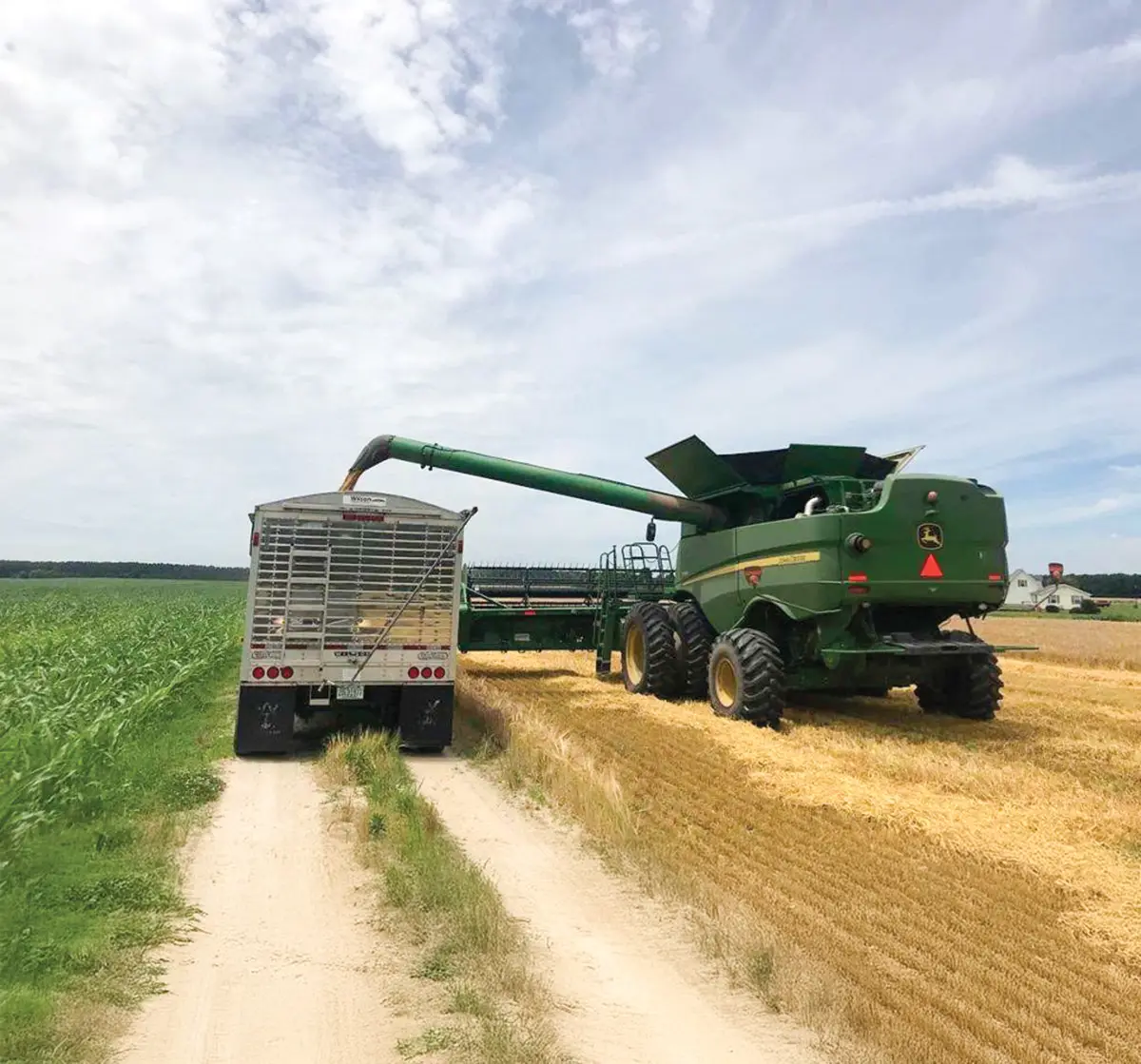
Speaking of malt, here’s a fun fact: We have barley farms and even a maltster right here in our backyard.
Proximity Malt in Laurel has been supplying ingredients to breweries since beginning production in 2017. Its malt can be found in beers from local breweries such as Big Oyster, Dewey Beer Co. and Dogfish Head.
The Laurel facility produces about 25,000 tons of base malt per year, enough for roughly 2 million barrels of beer.
That’s a whole lot of grain finding its way into a whole lot of pints.
Before barley becomes malt, it must go through a process called, appropriately enough, malting.
In layman’s terms, malting involves taking the barley seed, or kernel, and letting it know it’s time to start growing. The raw barley is soaked until it begins to germinate, or sprout.
The kernel is now jam-packed with enzymes originally meant to give energy to the plant, but brewers have other plans. Those enzymes serve a much more fun purpose: converting starches in the grain into fermentable sugars that yeast will feast on later in the brewing process.
Potential plant? More like potential pint.
From there, the barley is kilned to remove moisture, preserve enzymes and stabilize the grain. The temperature and length of kilning also help determine the malt’s flavor and color.
A Maillard reaction occurs, similar to what happens when toasting bread. The more the grain is roasted, the deeper the flavors and darker the resulting beer can become.
The malt is then ready to make its way to a craft brewery near you. Orders range from single bags to truckloads used to fill entire grain silos.
There you have it, folks. The takeaway from today’s lesson: Think local, drink local.
Class dismissed.