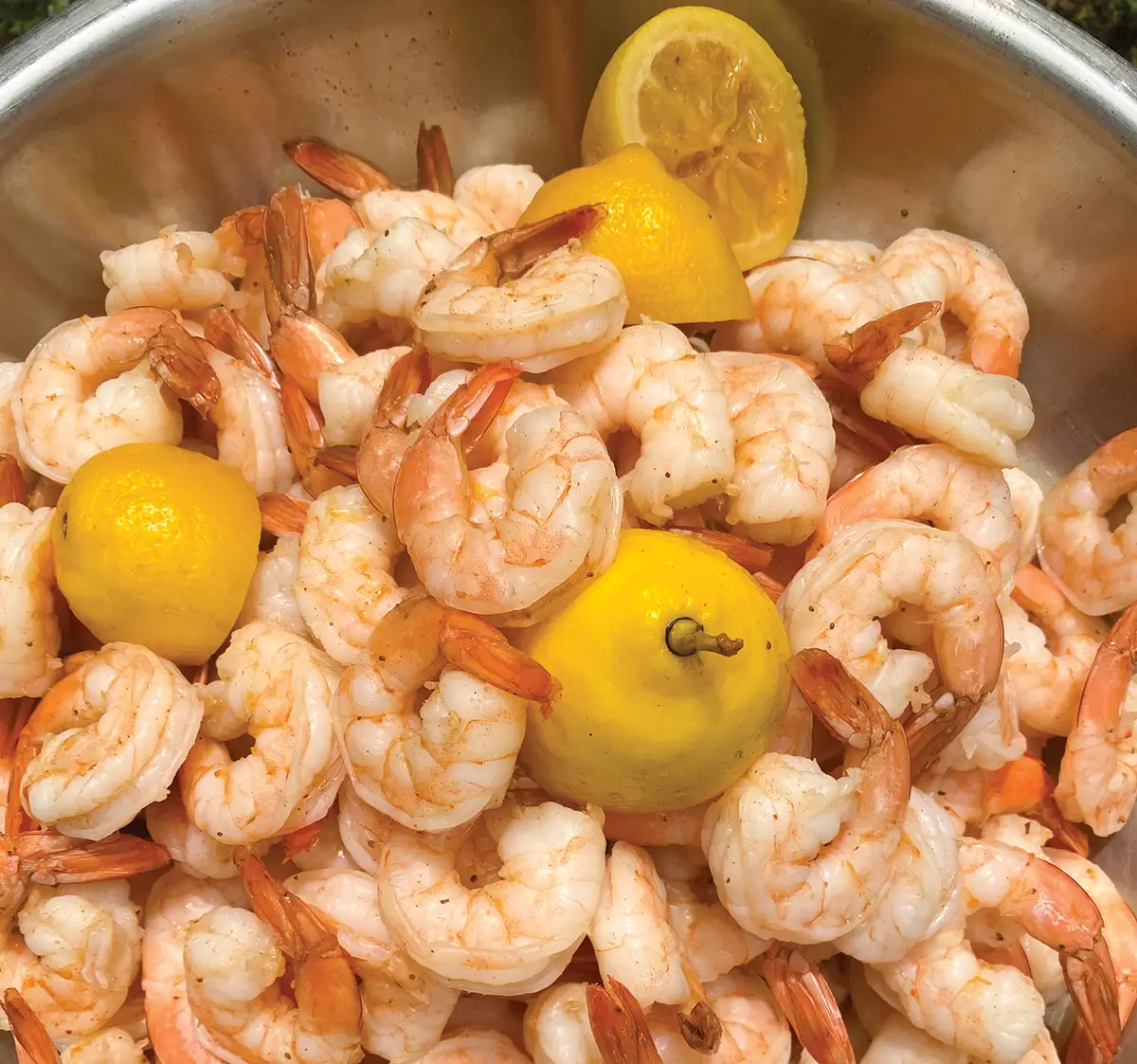
I recently had the pleasure of helping cook for a seafood boil with a group of close friends and family. It was one of those afternoons where nobody was in a hurry to leave. The food was great, but more importantly, so was the company.
The table was piled high with blue crabs, lobster, shrimp, clams, sausage, corn and potatoes. The feast was simply garnished with Old Bay, fresh parsley and lemon wedges. It was the kind of meal where plates weren’t needed. The table was covered in brown paper, we dumped the seafood out family-style and everyone dug in.
There is something about a seafood boil that forces people to slow down. You can’t rush your way through a pile of crabs. It makes you sit there, pick, crack, talk, laugh and enjoy.
The kids ran around the yard, stopping occasionally for a bite of crab or an ear of corn. The adults picked crabs and caught up with one another. Light beer was the perfect pairing. Somewhere in the middle of it all, I got to hold baby Aura, my friend’s granddaughter, for the first time. She slept through most of the excitement while everyone around her enjoyed the feast.
As the afternoon wore on, the piles of shells grew higher and the platters grew lighter. Eventually, there was nothing left but empty shells, stained napkins and the cooking liquid sitting in the bottom of the pot.
Before we started cleaning up, I tasted the broth.
It stopped me in my tracks.
All of the flavor from the seafood, sausage, spices and vegetables had collected in that pot. It tasted like the entire day.
I couldn’t bring myself to throw it away.
The next morning, I poured the broth into a stockpot and added the leftover shells along with onions, carrots, celery, a splash of white wine and a few herbs. I let it simmer for several hours.
When it was finished, I had a stock that was rich, briny and deeply flavorful. It immediately made me think of Maryland crab soup.
Growing up around the Chesapeake Bay, Maryland crab soup has always felt less like a recipe and more like a way of life. Many families have their own version. Every crab house has its own approach. Some are heavier on tomatoes, some on vegetables and some on spice. I built mine around that stock.
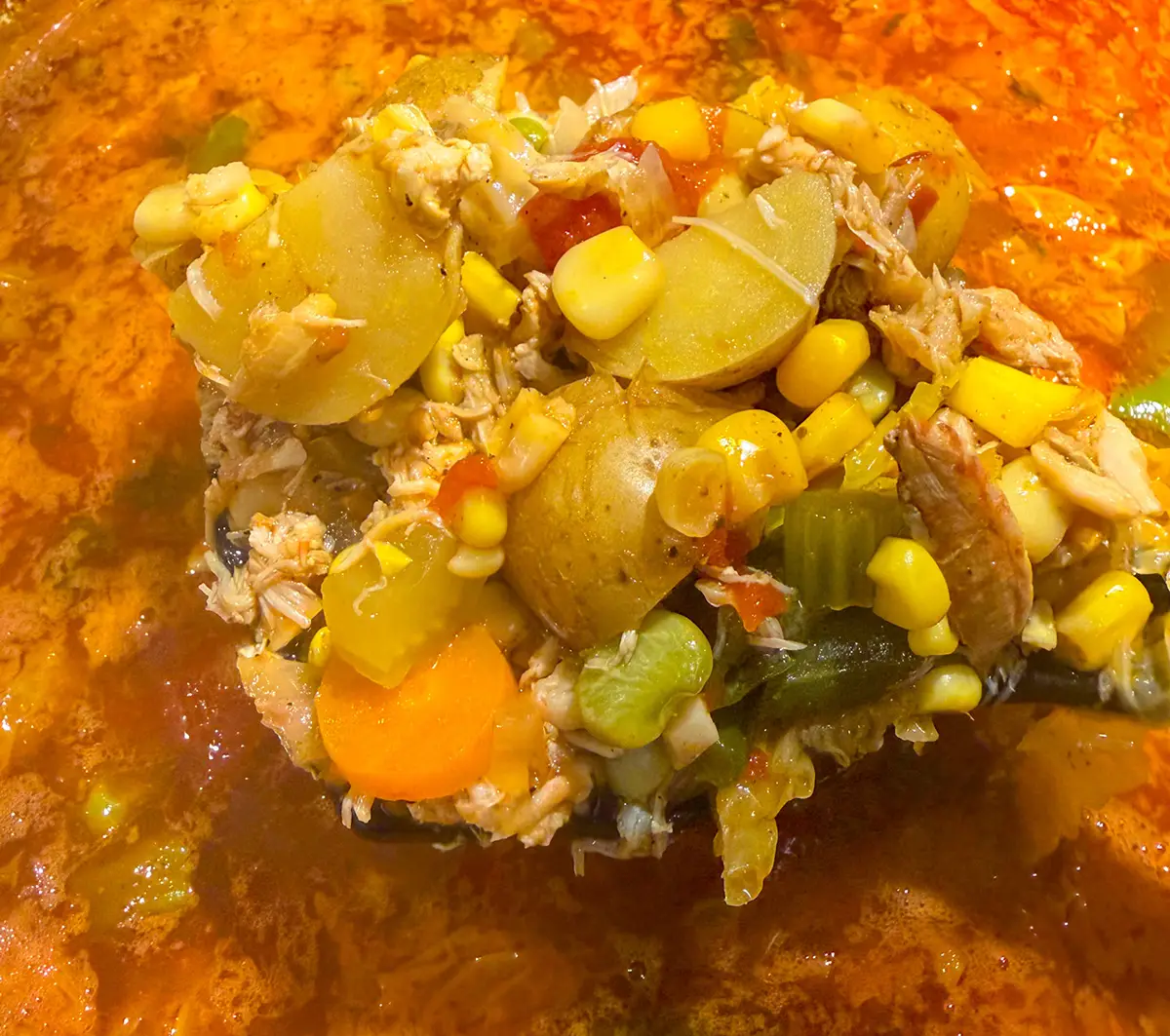
Tomatoes, lima beans, okra, green beans, corn, carrots, potatoes, herbs and plenty of fresh-picked crab meat went into the pot. The stock carried the flavor of the previous day’s feast into something completely different.
When the soup was finished, it felt familiar and new at the same time.
The funny thing is that the soup probably wouldn’t have existed if I hadn’t taken that one taste before washing out the pot. What looked like leftovers turned out to be the best ingredient of all.
That’s one of the things I love most about coastal cooking. Whether it’s a crab shell, a fish frame or an oyster shell finding its way back into the ecosystem, there has always been a tradition of finding value in things others might overlook.
The seafood boil was memorable on its own. The soup just gave us another day to enjoy it.
Maryland Crab Soup
Yield: 2 gallons (7.6 L) | Serves 16–20
After a seafood boil, there’s often a pot of liquid left behind that’s too flavorful to throw away. Filled with the essence of shrimp, crab, lobster, corn, sausage, lemon, and spices, it makes the perfect foundation for a Maryland crab soup. This recipe turns those leftovers into a second feast.
Ingredients
Aromatics
- 4 tbsp vegetable oil (60 mL)
- 2 large onions, diced (1 lb / 450 g)
- 3 celery stalks, diced (6 oz / 170 g)
- 2 carrots, diced (8 oz / 225 g)
- 6 garlic cloves, minced (18 g)
Vegetables
- 1 lb potatoes, diced (450 g)
- 12 oz corn kernels (340 g)
- 12 oz lima beans (340 g)
- 10 oz green beans, cut into 1-inch pieces (280 g)
- 1 cup peas (5 oz / 140 g)
- 1 cup shredded cabbage (2½ oz / 70 g)
Broth & Tomatoes
- 2 gallons strained seafood boil liquid (7.6 L), or enough to yield 2 gallons after adding ingredients
- 56 oz crushed tomatoes (1.6 kg)
- 29 oz tomato sauce (822 g)
Seasonings
- 2 tbsp Old Bay seasoning (16 g), plus more to taste
- 2 tsp kosher salt (10 g), if needed
- 1 tsp black pepper (2 g)
- 1 tsp paprika (2 g)
- 1 tsp celery seed (2 g)
- 2 bay leaves
- 2 tbsp Worcestershire sauce (30 mL)
- ¼ cup white soy sauce (60 mL)
- 1 tbsp apple cider vinegar (15 mL)
- Hot sauce, to taste
Crab
- 1 lb claw crab meat (450 g)
- 1 lb jumbo lump crab meat (450 g)
Finish
- 2 tbsp chopped parsley (8 g)
- Fresh lemon wedges for serving
Method
Heat the oil in a large stockpot over medium heat. Add the onions, celery, and carrots and cook until softened, about 8–10 minutes. Stir in the garlic and cook for another minute.
Add the crushed tomatoes, tomato sauce, seafood boil liquid, Old Bay, pepper, paprika, celery seed, bay leaves, Worcestershire, and white soy sauce. Bring to a gentle simmer.
Add the potatoes, corn, lima beans, green beans, peas, and cabbage. Simmer for 30–40 minutes, or until the vegetables are tender.
Stir in the claw meat and simmer for 5 minutes. Gently fold in the jumbo lump crab meat and cook for another 2–3 minutes, just until heated through.
Remove the bay leaves. Finish with the vinegar, parsley, and hot sauce. Taste and adjust with additional Old Bay, white soy sauce, or salt if needed. Depending on how seasoned your seafood boil liquid was, you may need very little additional salt.
Serve hot with saltines, oyster crackers, or crusty bread and a squeeze of fresh lemon.
Chef’s Note
The best Maryland crab soups are often built from leftovers and memories. Using the seafood boil liquid captures all the flavor of the feast that came before—the sweet shellfish, the spices, the corn, the sausage, and the lemons—while the addition of fresh crab meat transforms it into an entirely new meal. The soup is even better the next day.