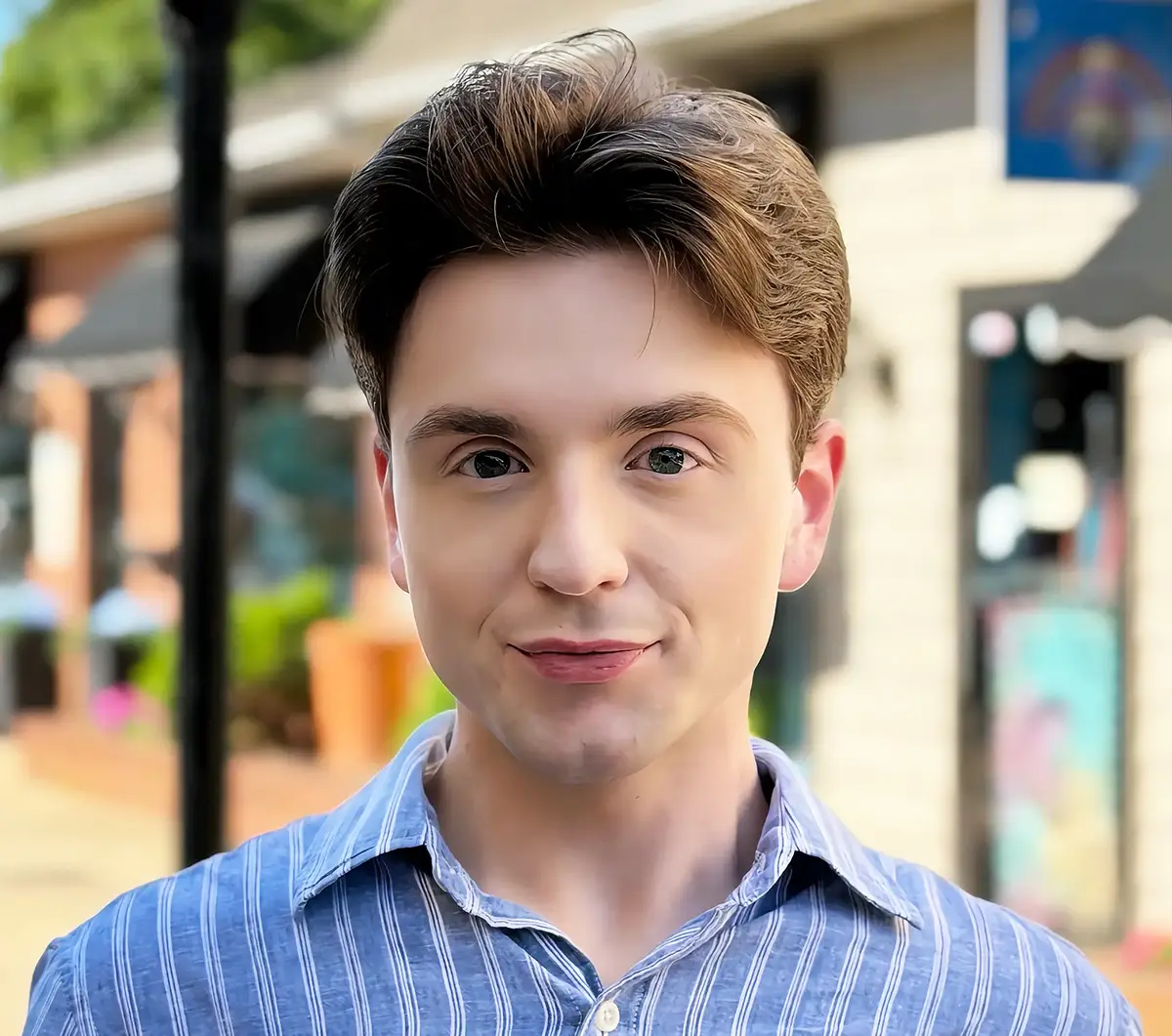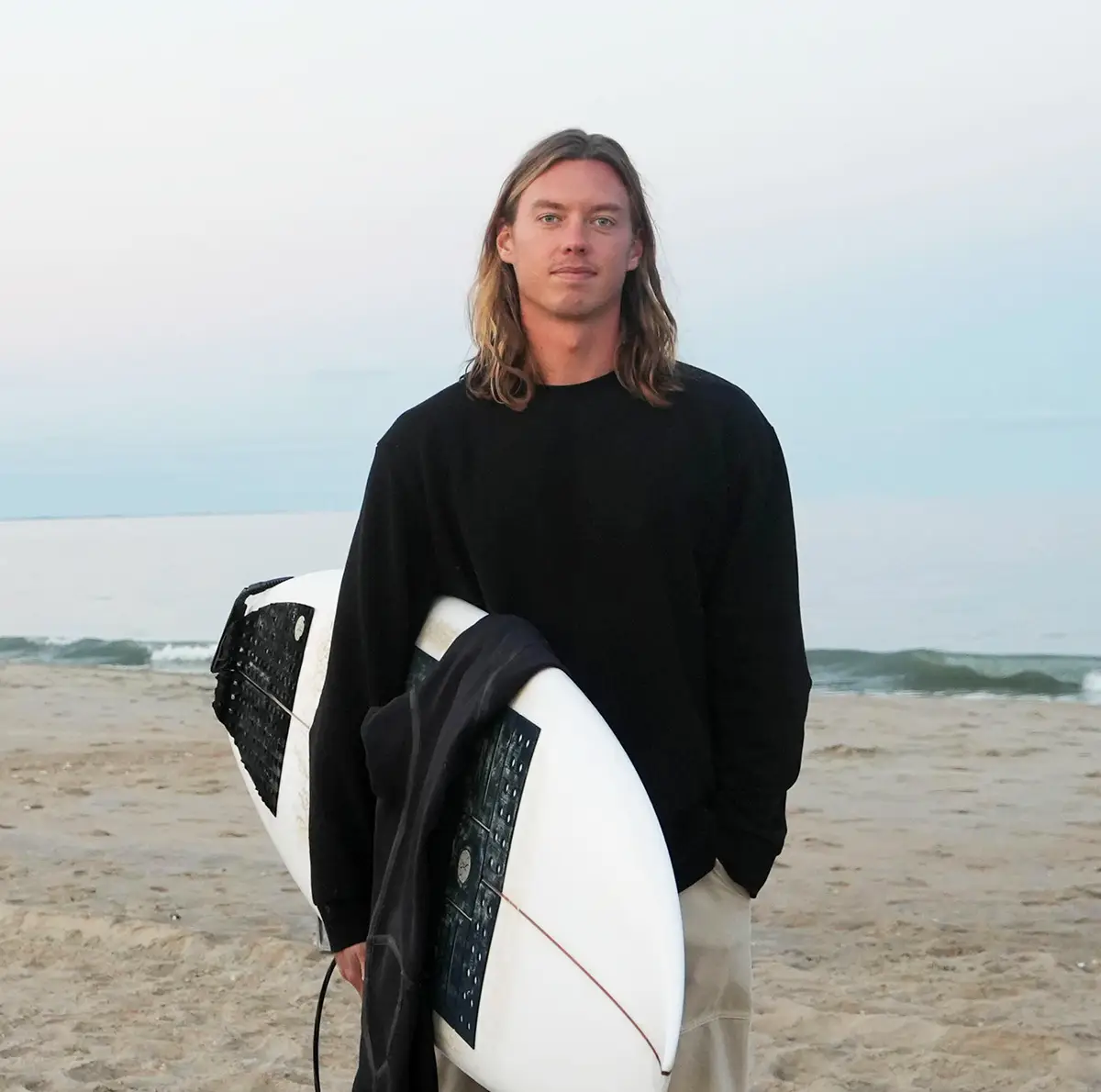
Shipwrecks, robots, scuba diving, world travel and seafloor mapping are all just a day’s work for Grant Otto. Which makes sense if you knew Grant was a marine scientist and operations specialist, filmmaker, divemaster, ROV pilot, surveyor, captain and surfer. (Phew … now, that’s a résumé!)
Officially, Grant is a marine geologist and operations manager of Advanced Underwater Systems at the University of Delaware’s Coastal Sediments, Hydrodynamics and Engineering Laboratory (CSHEL), based primarily on the Hugh R. Sharp Campus in Lewes. “It’s a strange niche, my background is engineering, robotics and advanced camera techniques to study the ocean,” Grant says. “Marine Science is more than just Marine Biology, it’s also physics, chemistry, geology and much much more all to understand the health of the ocean.”
As a certified divemaster, Grant performs scientific dives to study sediment, seafloor health, archaeology and other ocean work. “We study site formation: how a shipwreck and the surrounding landscape progressed and settled after breaking down,” Grant says. Scientific diving is also used to find missing persons and manage underwater ammunition. “People don’t often think about this, but there are over 81,000 unsolved MIA cases around the world, mostly United States Service Members during the WW II era, and a huge percentage are believed to be underwater. Also, unexploded military ammunition from historical wars that are now in the sea bed … how they’re moving and ensuring they don’t end up in human hands.”
It’s all just another day at the office for Grant.
Grant also relies heavily on marine robotics. “We went to Corsica to do mapping with an underwater robot and to also look for missing service members and their airplane that went down. We use the robots to search for remains of airplanes and ships, then do sensitive detail work on SCUBA,” he explains.
At only 29, Grant has traveled across the globe for his work, including Greece, New Zealand, the Marshall Islands, Italy, Little Cayman and Saba. “I love being out on the ocean all the time. I love the field science on the water and under the water,” he says. “I specialize in sonar and seafloor mapping, and we also use it to help coral scientists understand areas that desperately need protection.”
In his time off, Grant is an avid surfer, but even there he found a gap in education. “The more I talked to people, I learned they really had no idea what’s literally 3 feet beneath them,” Grant explains.
So, he created Sea Saturated, a website dedicated to educating people about the ocean. He incorporates virtual reality (VR) to transport viewers to the seafloor and also shares photos and videos documenting experiences like diving for lost instruments offshore of a NASA launch pad and performing underwater archaeology at one of Ancient Rome’s ports.
Follow him on Instagram and YouTube at @seasaturated. “People need to understand that we need Marine Physicists and Marine Chemists and Oceanographers too. It’s not as sexy as studying dolphins and turtles – but it’s needed. They are important pieces of the puzzle to understanding the ocean.”
To see firsthand what Grant is working on, head to Coast Day Sunday, Oct. 4, when the University of Delaware’s Lewes campus opens its doors and labs to people of all ages. Now in its 50th year, Coast Day features hands-on activities, robotics, live demonstrations and science lab and ship tours.
Crush Questions:
Favorite Beach Activity?
Surfing
Favorite Restaurant?
I love the matcha at Station on Kings; I have a work session there two days a week.
Favorite Beach Read?
Rick Rubin’s “The Creative Act”
Currently Crushing On?
VR! How I can put everything into VR (virtual reality) so a viewer can truly feel like they’re with me on the expeditions and experiences.