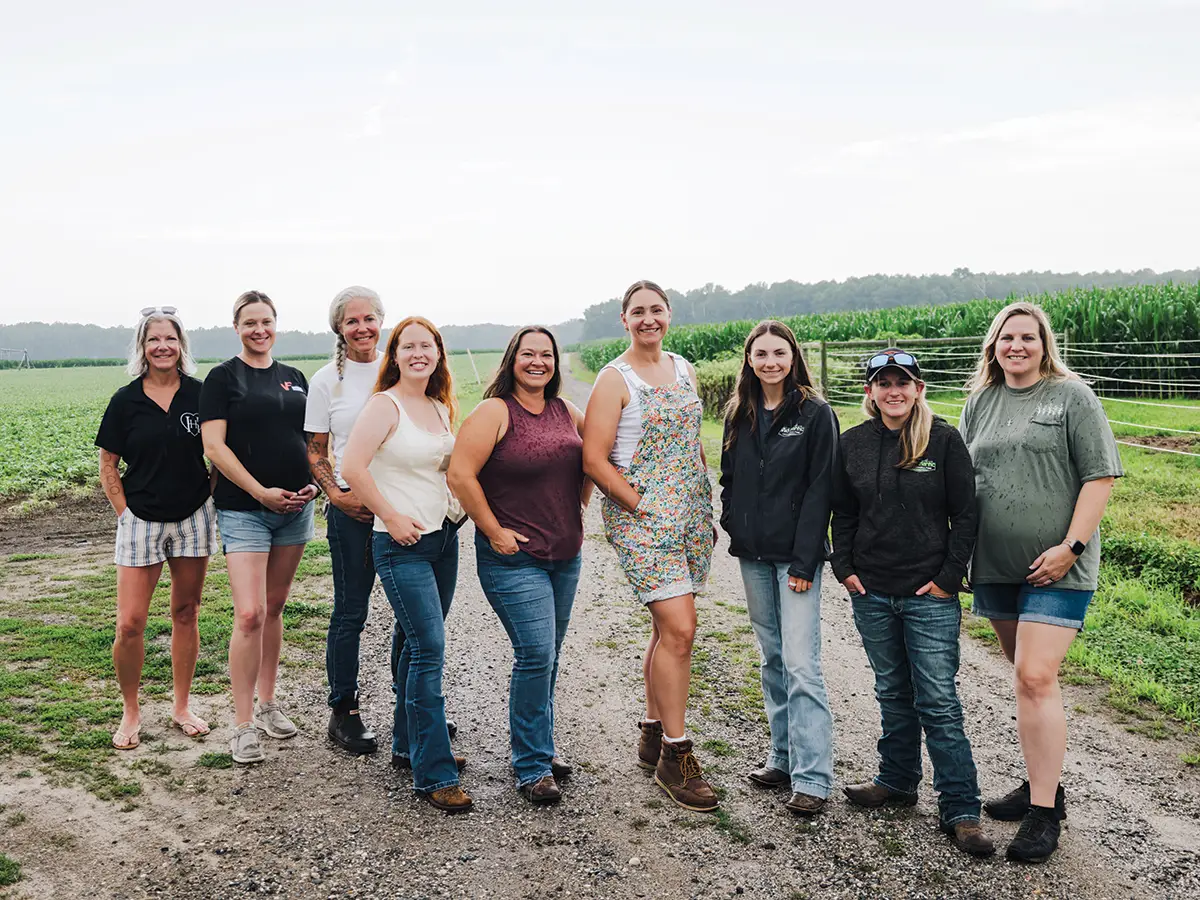
As the United Nations designates 2026 the International Year of the Woman Farmer, The Cape Current highlights female farmers across the Cape Region, balancing tradition and heritage with science, business and family.
Some women farmers hold the reins of multigenerational family farms. Others focus on sustaining a homesteading way of life. Science, safety, sustainability and land management are overriding themes in their work. They deal with equipment failures, unpredictable weather, pests and development. Women work as valued crop consultants and managers, while some are just starting out. They are educated and informed. They all have a story.
In recognition of the United Nations’ designation of 2026 as the International Year of the Woman Farmer, The Cape Current hosted a roundtable discussion with female farmers from across the Cape Region who are leading the evolution of agriculture in both their business and personal lives.
WOMEN IN FARMING TODAY
Across a diverse panel of women who make their living in agriculture, the farmers agreed that women’s contributions to agriculture have long been overlooked. The stereotype of the male landowning farmer in overalls persists, but among these women, there is no typical day in farming, and no single image can capture the depth and complexity of their efforts to harness nature and feed their communities.
For Amy and Ingrid Hopkins, sisters who returned to the Hopkins family farm after careers in security and veterinary medicine, transitioning the family farm for continued success is an ongoing endeavor. This process called for a deep dive into understanding the business and relationships of their father, Walter C. Hopkins, and more than a century of relationships built over generations. Amy said she needed to know “the numbers he keeps in his head” in order to keep the farmland profitable and sustain their way of life. Their efforts include diversification from dairy and crops into agritourism, using some of the family’s properties for educational and entertainment purposes. At the Lewes-based Hopkins Heartland and Honey Bee wedding venues, they have repurposed their properties for hospitality and entertainment, helping couples create unforgettable wedding photos.
“We are transitioning from what most people consider the traditional farm,” Amy said. “The connection people have to where their food is coming from is getting wider and wider. I don’t know how to fix that besides what we are doing. It affects me very deeply.”
While some farmers are stewards of centuries-old family farms, others, such as Brittaney Reynolds, are clearing a new path for themselves. Reynolds began pursuing her dream of a homesteading family life as the impacts of the COVID-19 pandemic disrupted supply chains. Since then, she has developed a direct-sales farming business, Harvest Moon Homestead, near Georgetown. She sells specialty items such as raw milk from her small-scale dairy farm, honey and other produce through direct sales, online and at farmers markets.
“Our farm began with this generation. 2020 is what drove us to do it,” Reynolds said of Harvest Moon. “There were no questions on what we were doing, because we were the ones framing it.”
THE WORK PEOPLE DON’T SEE
The stereotypical image of farmers as men, rooted in land ownership passed down through male heirs, persists. But the women agreed that the operational aspects of farm life take a village, or a family, with all genders contributing their talents. The statement, “Little girls like to get on tractors too,” drew nods all around.
The female farming collective agreed that running a financially solvent, effective farm is more complex than simply growing, harvesting and selling crops. Today, leaders in agriculture must also be savvy with operational tasks, managing details such as government-issued nutrient thresholds, fluctuating subsidies and market prices. Balancing inputs, or external resources such as seeds, fertilizer, pesticides and machinery, with outputs, the finished products including crops, livestock, raw materials and ornamental plants, comes down to the bottom line. Making a profit in farming takes skill and timing, in addition to a green thumb. When it comes to social media and marketing, the women have different approaches and a love-hate relationship with the demands of promotion.
Small-scale farmers report their businesses are diversified through online sales, farmers markets and word of mouth, while large-scale wholesale farms often sell their produce to mills through long-established relationships. Checking market prices daily is part of the job, helping commodities farmers lock in prices that allow them to break even and make a profit. Amy Hopkins said this year, external factors such as weather and fuel prices have meant more money is spent on inputs, subsequently raising the price of outputs.
“It’s been a triple threat this year with the price of diesel causing input prices for fertilizer, seed and labor to go up, and then drought,” she said.
At Laurel-based Vincent Farms, Haley Keenan said her family farm sells sweet corn, bell peppers, melons, pumpkins and cantaloupe wholesale. Those retired school buses adapted to carry produce, including watermelons, at the end of the summer most likely carry her crops. The pricing and profits involved are largely determined by external factors.
“We are not price gouging,” Keenan said. “If you understand everything that goes into the process, that’s why it costs what it costs.”
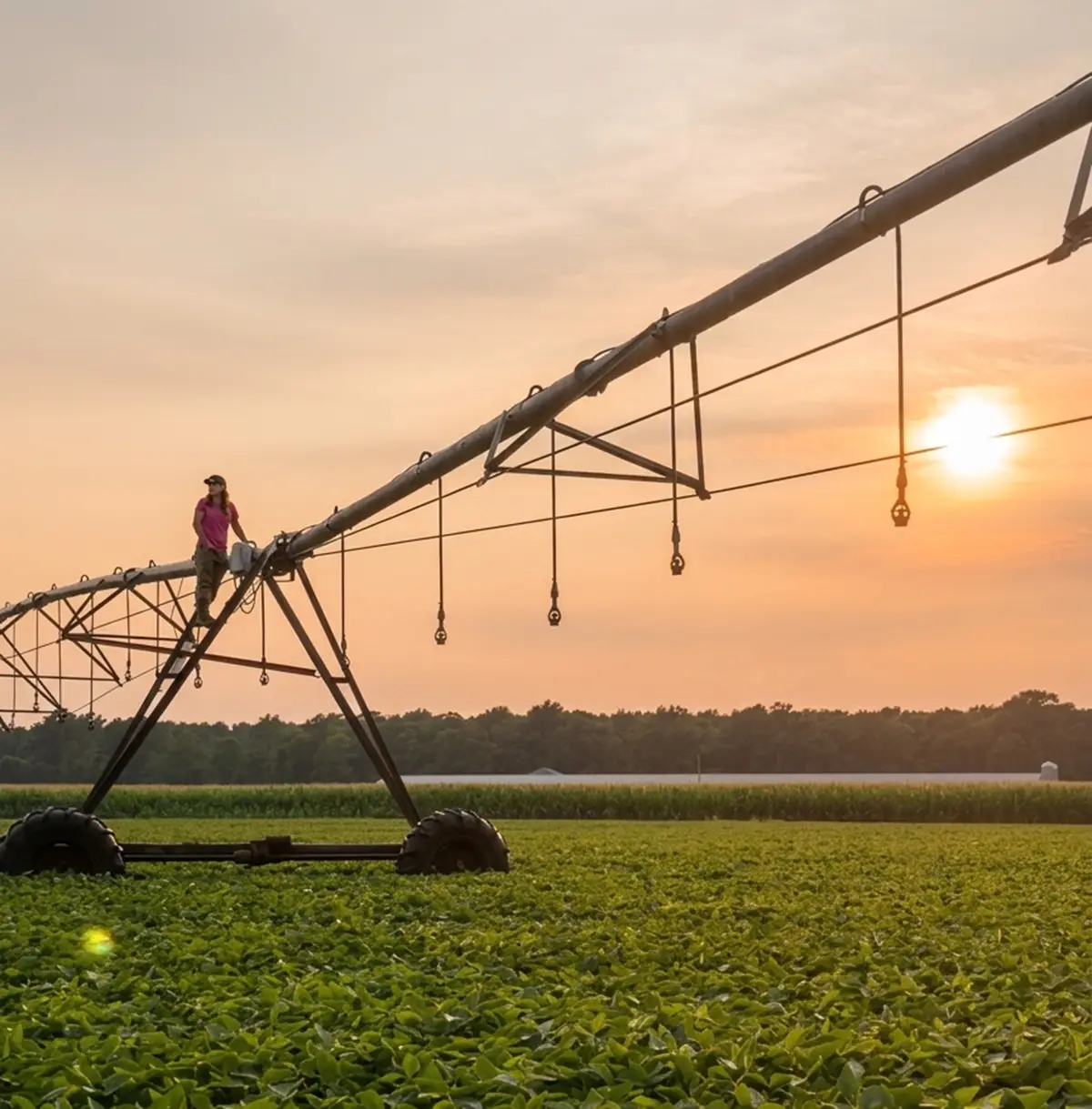
No matter how many years of experience they have, the farmers agreed they benefit significantly from crop insurance and consultants. Staci Warrington, an owner of Mid-Atlantic Crop Consulting, and employee Lexi Pritchett facilitate services such as soil testing and nutrient management to help farmers maximize production. Collectively, they help farmers manage nearly 40,000 acres in Delaware and Maryland, and Warrington also has her own poultry farm. Their services, along with other loss-prevention measures, factor into input pricing as well.
“What we do at Mid-Atlantic Crop Consulting is provide services such as crop scouting, soil testing and nutrient management,” Warrington said. “Through regular crop scouting, we help identify pests, diseases, weeds and other potential issues early, helping farmers make informed decisions before problems become severe or costly. For example, if field conditions indicate a pesticide application isn’t necessary, our recommendations can help farmers avoid an unnecessary spray, saving both time and money.”
ADAPTING AND FINDING OPPORTUNITY: FARMING IN SUSSEX COUNTY
With continued growth and expansion in southern Delaware, once-expansive farmland has transitioned to residential and commercial development. Seemingly benign expansions such as solar farms and now data centers, which require large, contiguous blocks of land, are pushing farmers, and animals, out. Farm families who want to keep their land are getting increasingly creative, doing more with less. Small-scale farmers like Reynolds report relying on social media, word of mouth and direct sales to make farm life a reality.
According to the University of Delaware, agriculture is the state’s largest industry, with an annual gross production value of $1.083 billion. Nearly 510,253 acres of farmland encompass 40 percent of Delaware’s total land area, and farmers contribute significantly to the state’s economy. In the 10-year period between 1997 and 2007, Delaware lost nearly 70,000 acres, or 13.5 percent, of its farmland to residential development. Those numbers have only continued to grow with ongoing residential and commercial expansion.
Explosive development is pushing wildlife out of forested areas and into farmers’ crops. Deer populations represent another pest that must be managed, in addition to insects and disease. The Delaware Department of Natural Resources and Environmental Control has stepped in with programs such as the Extreme Deer Damage Assistance Program. The program allows qualifying landowning farmers to harvest antlerless deer year-round, but farmers statewide still face challenges managing deer damage.
As a wholesale grain farmer, Kellie Blessing Yeager of Waterway Farms in Harrington said many farmers are dealing with competing priorities and expectations. Despite government regulations allowing farmers to open farmland for deer hunting, she said many large-scale farms operate on leased land, and the property owners may have no intention of allowing hunters.
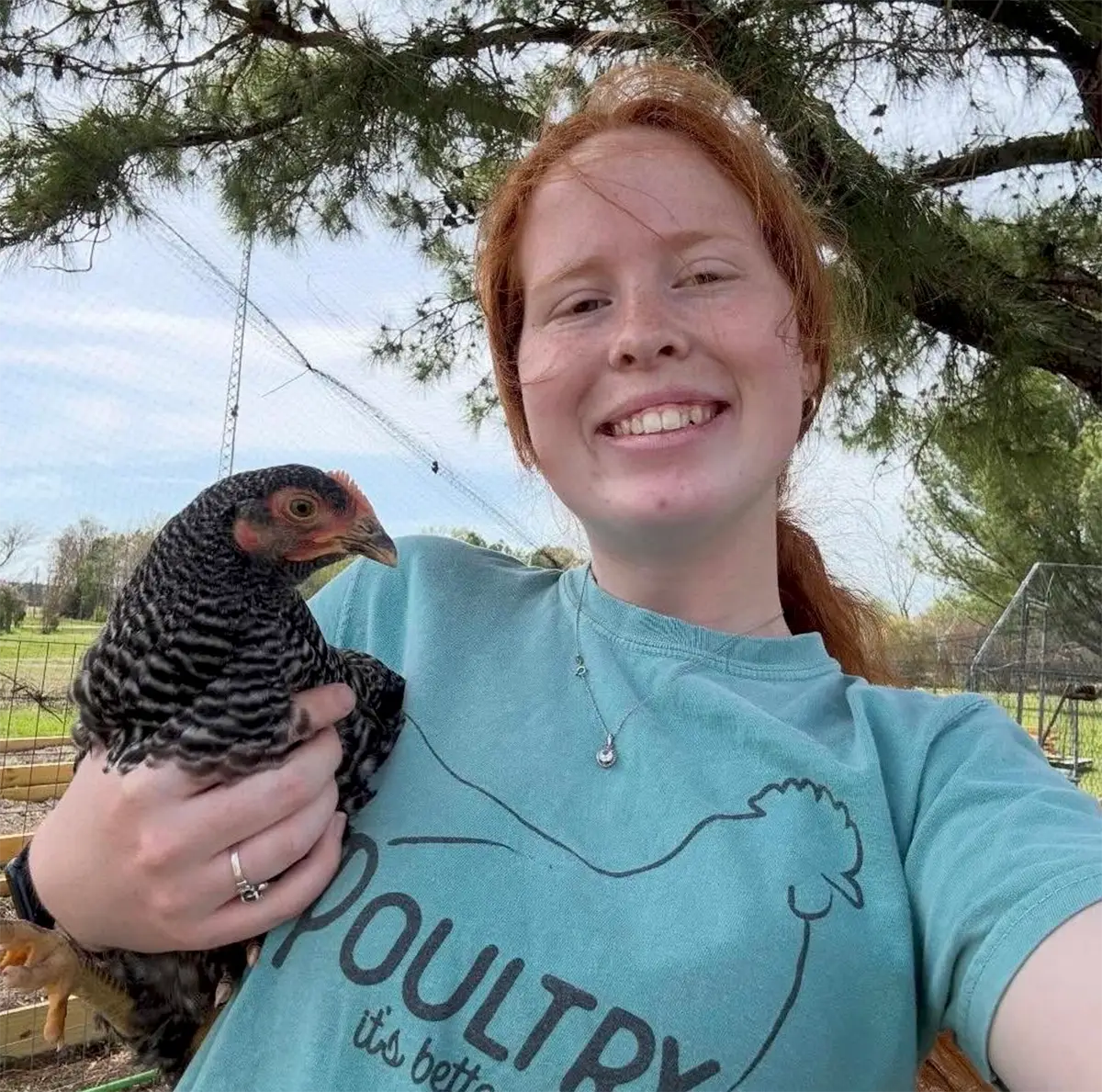
At Anya’s Homestead, farmer Anya Phillips is on the other side of the coin, working to make the most of small-scale agriculture through farmers markets and direct sales. Phillips operates her farm in Ellendale, where she keeps nearly 1,000 laying hens and sells her signature “rainbow” eggs wholesale to farm stands and markets. She said the business helps pay for her continued education while sustaining the farm.
In an increasingly disconnected society, Phillips said she appreciates building her network at markets and making connections with customers.
“People think that you need a large farm to succeed, and you don’t,” Phillips said. “At first, I was really nervous, but farmers help each other so much. When people are shopping with me at farmers markets, it helps build community. People tell me things, and we build relationships.”
CONNECTING THE PAST WITH THE FUTURE
At GW Garden Goods, Jacki Schell grows and harvests fresh-cut flowers, selling bouquets and bulk flowers online and for pickup at her Lewes-based farm.
For Schell, another first-generation farmer now in her second year of operation, making a living in agriculture is a way to honor her past while teaching her son how to sustain the future. She named the flower business after her grandfather, George Warren, a prolific backyard gardener. That heritage has inspired her continued work.
“You have to be spreading it to the next generation. I have a 3-year-old son, and I want him getting soil on his hands.”
As agriculture continues to evolve, these women are proving that resilience, innovation and community are helping shape Delaware’s farming future and inspiring the next generation.
THE PANEL
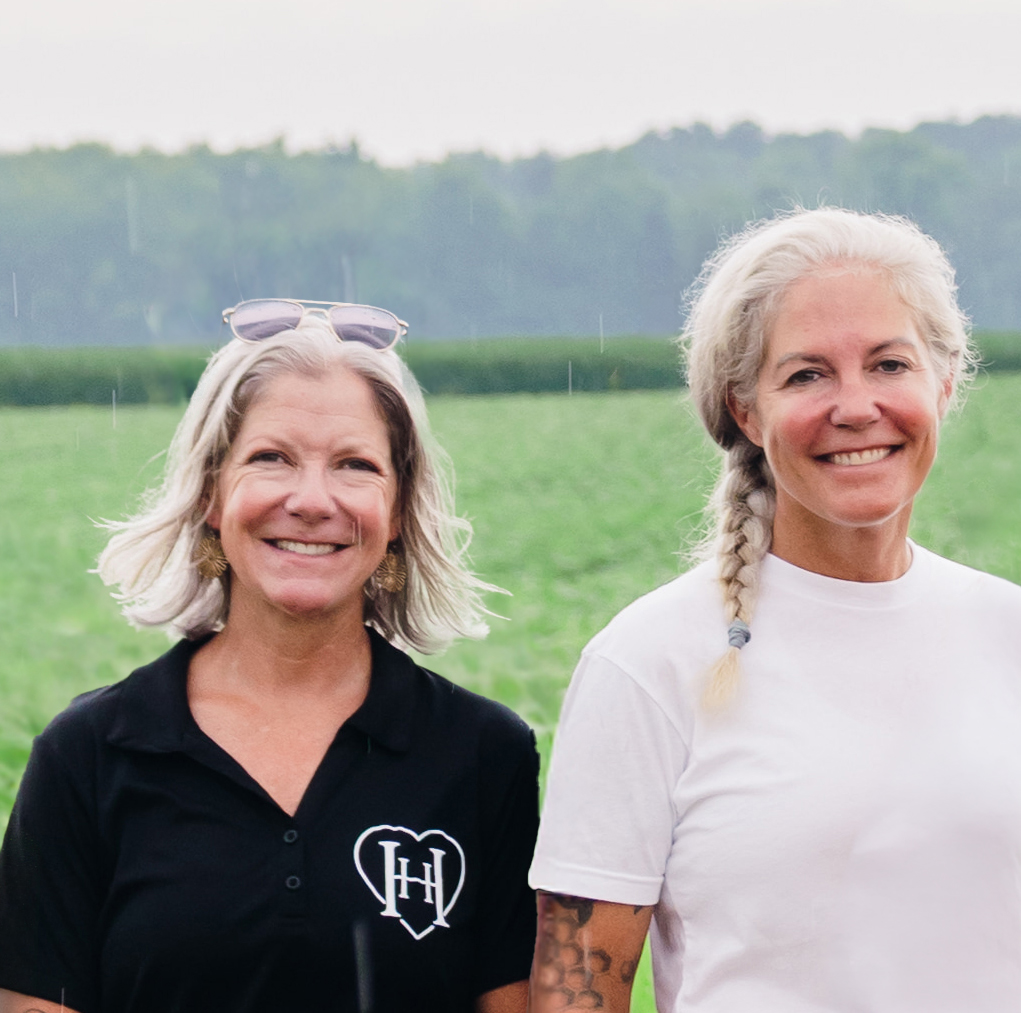
Amy and Ingrid Hopkins are members of the Hopkins family, which helps manage nearly 1,000 acres of farmland in Lewes. Together with their family, they have diversified the farm to include agritourism.
Amy is president of the American Center for Farming Heritage and returned to the family farm after a career in national defense and aerospace. Ingrid Hopkins returned after decades as a veterinary nurse. They continue traditional farming while expanding into tourism and hospitality with farm-inspired weddings at Hopkins Heartland and the Honey Bee Farm venues.
hopkinsfarm.com
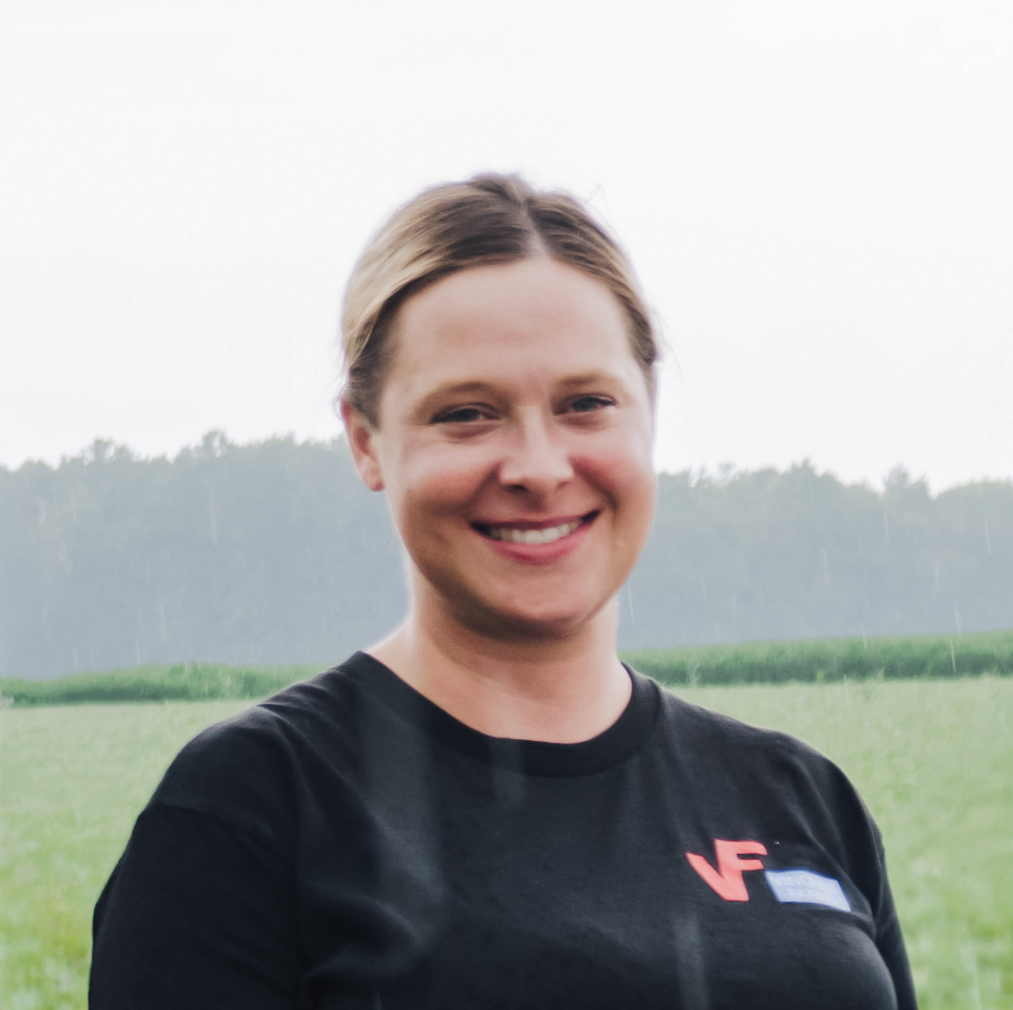
Haley Keenan manages packing and production at her family’s fifth-generation Vincent Farms in Laurel. The farm primarily grows wholesale sweet corn, watermelons, tomatoes, bell peppers, pumpkins and cantaloupes on family-owned farmland stretching from southern Delaware to South Carolina.
vincentfarmsde.com
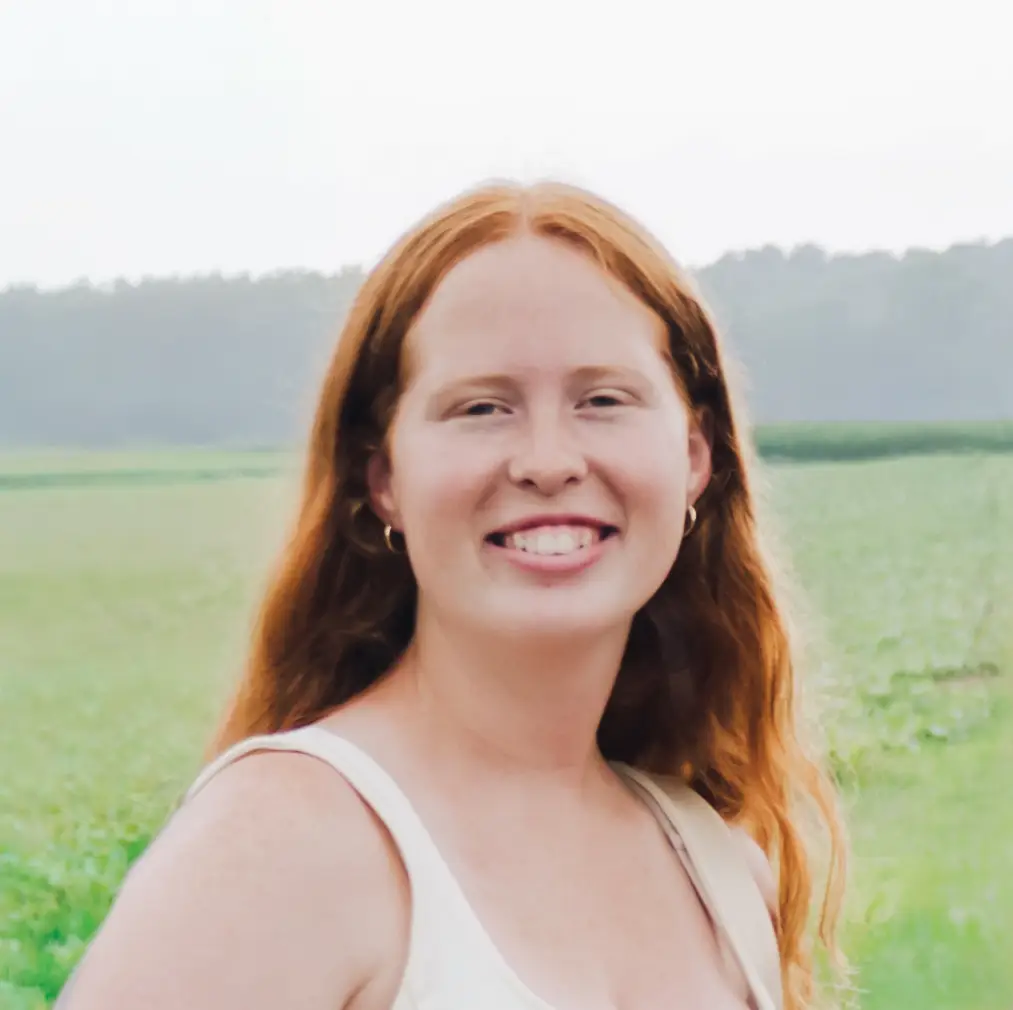
Anya Phillips owns Anya’s Homestead, a first-generation farm based in Ellendale. Her farm specializes in sustainably grown heirloom herbs, fruits and vegetables, as well as microgreens, squash, zucchini and her signature “rainbow” eggs, sold at local farmers markets.
anyashomestead.com
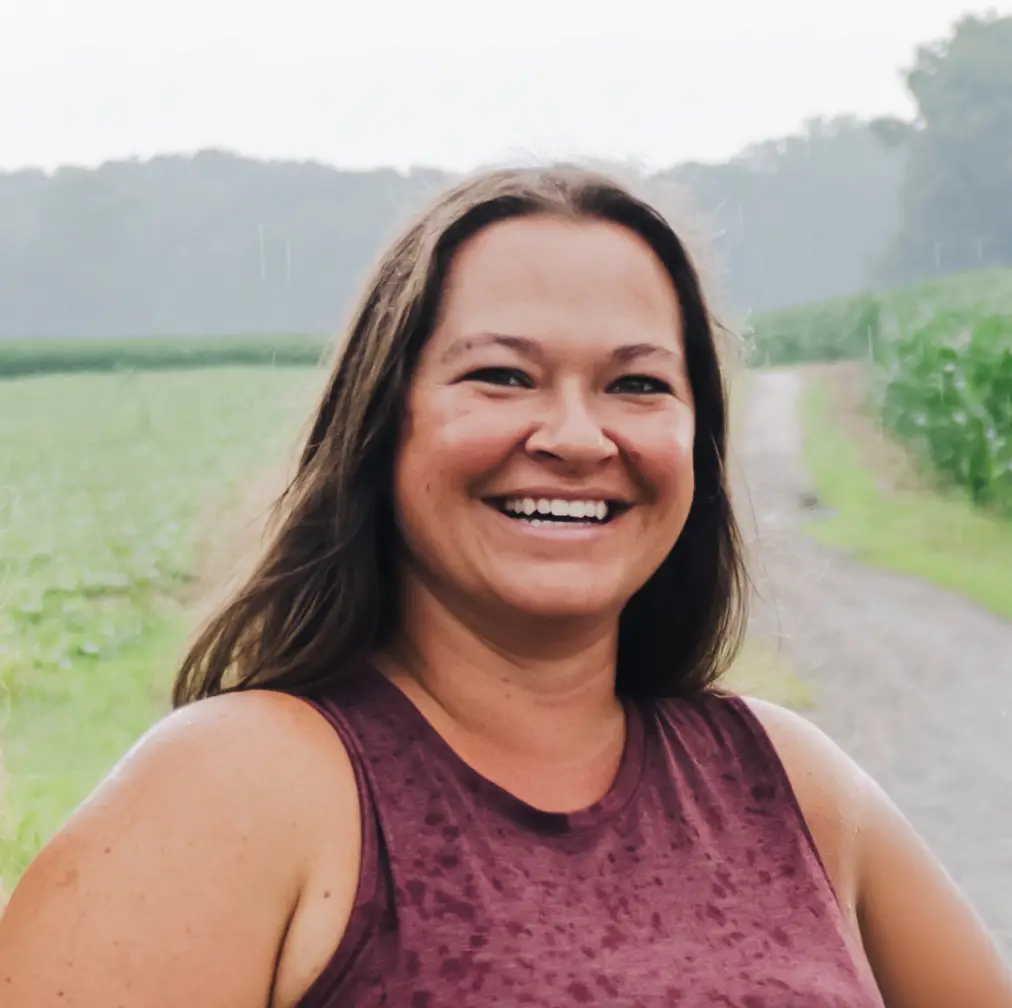
Brittaney Reynolds owns Harvest Moon Homestead in Georgetown. As a first-generation farmer, she grows flowers and produces raw milk and honey. She relies on farmers markets, word of mouth and social media to market her small homestead business.
facebook.com/HarvestMoonOnlineStore
Instagram: @harvest_moon302
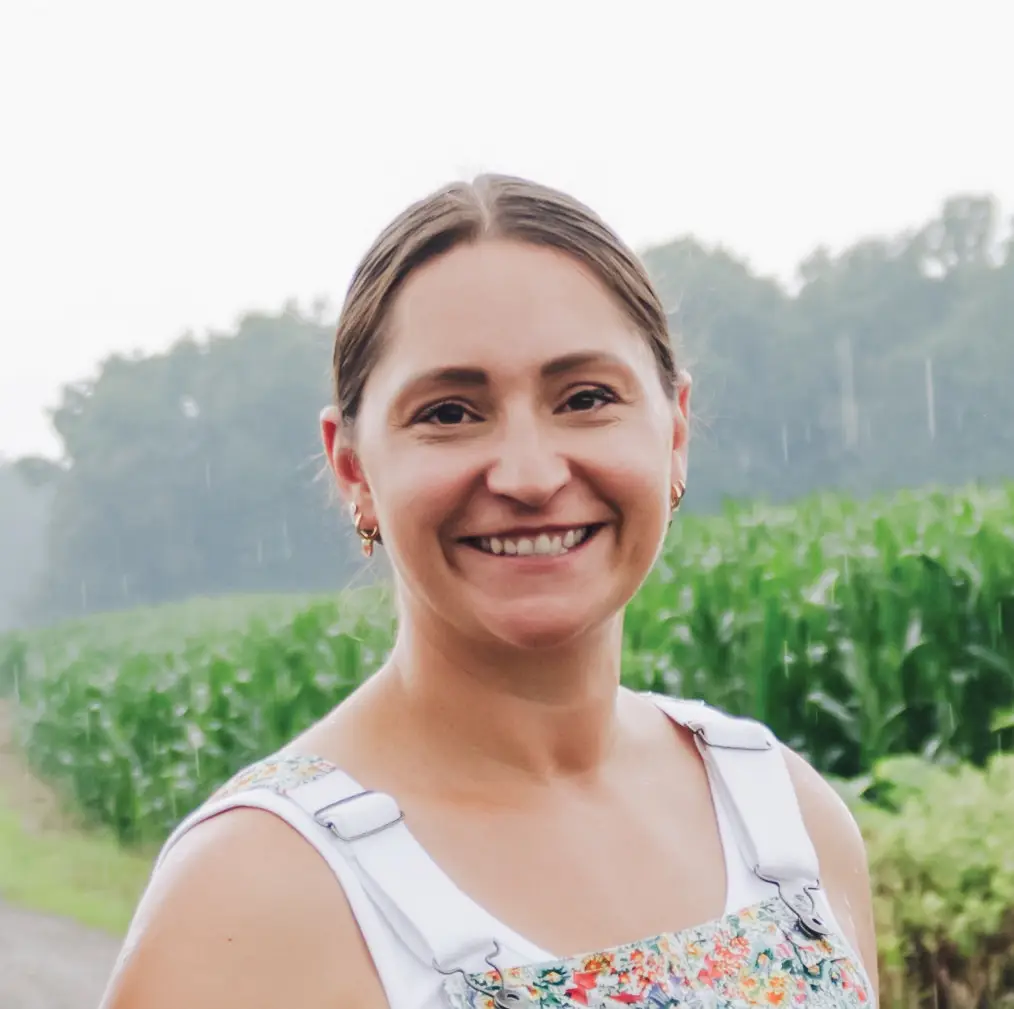
Jacki Schell owns Lewes-based GW’s Garden Goods, named for her grandfather, George Warren, a prolific backyard gardener. Schell sells locally grown flowers in bouquets and bulk orders from June through October through her website and at local farmers markets.
gwsgardengoods.com
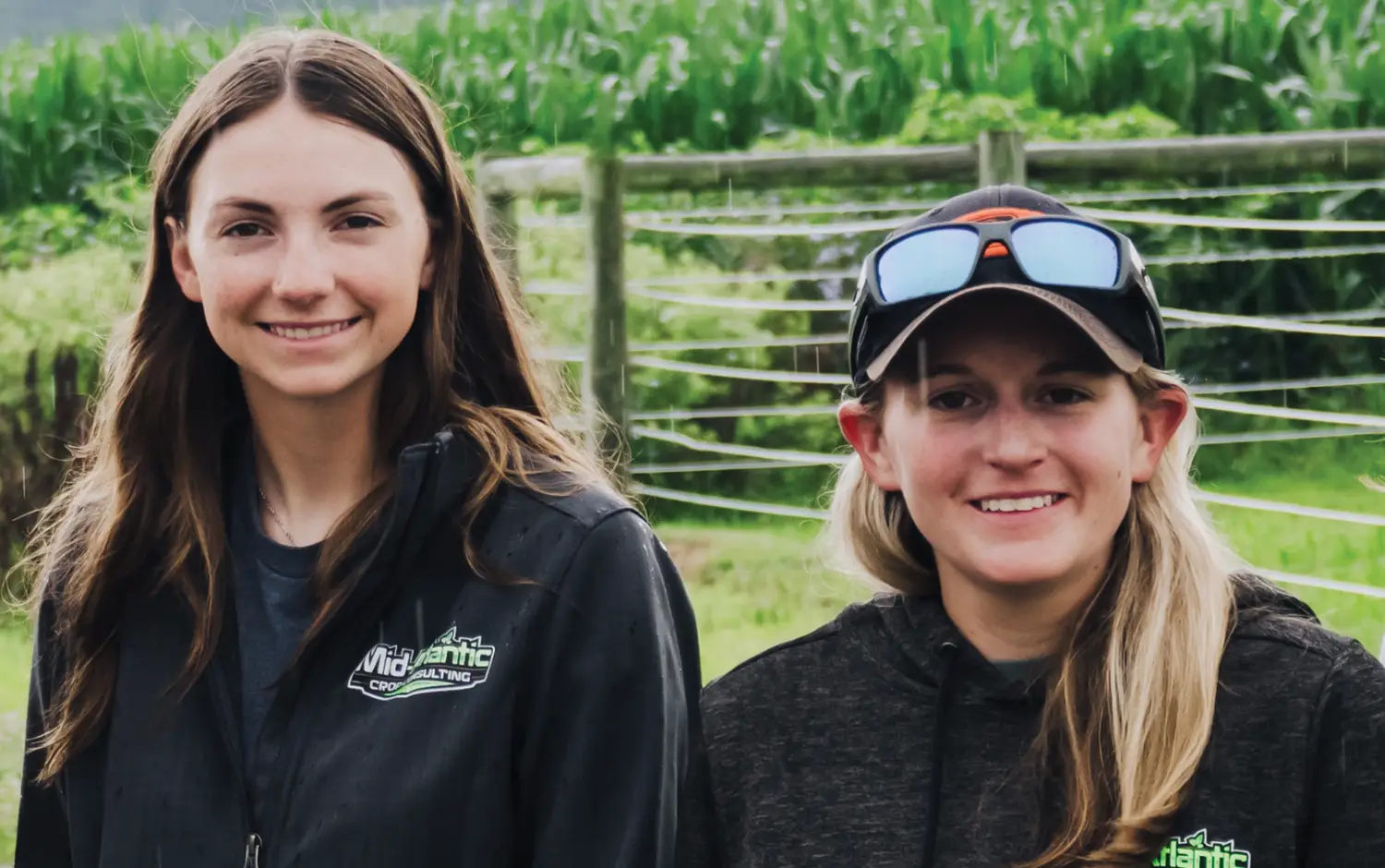
Staci Warrington and Lexi Pritchett work at Mid-Atlantic Crop Consulting, where Warrington is an owner. As crop consultants, they help farmers manage nearly 40,000 acres of farmland across Delaware and Maryland through soil testing, nutrient management, disease management and pest management. Warrington also owns a poultry farm.
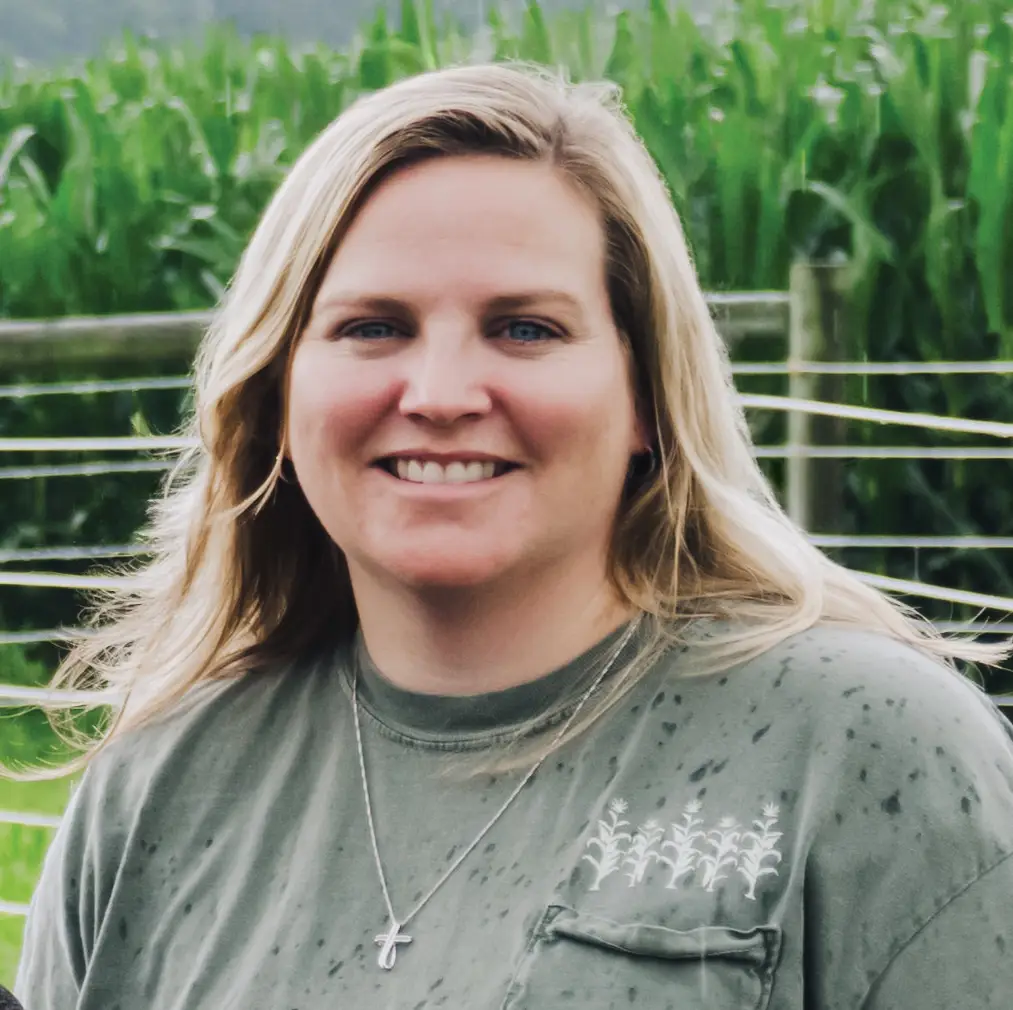
Kellie Blessing Yeager is a grain farmer in central and southern Delaware, helping manage thousands of acres at the multigenerational Waterway Farms in Harrington. In addition to being born into the local Blessing farming family, she married into the Yeager family, another prominent farming family in lower Delaware. She studied agricultural science at Delaware Technical Community College and the University of Delaware. Her family’s farms produce feed corn, soybeans, wheat and fresh vegetables for wholesale.
GLOSSARY OF TERMS
Agritourism:
According to the USDA, agritourism is a commercial enterprise that combines agricultural operations with tourism, allowing visitors to experience working farms, ranches or other agricultural businesses through recreation, education or direct-to-consumer purchasing. It creates supplemental income for farmers while offering the public authentic, hands-on experiences with food production and rural life.
Crop Scouting:
The systematic process of regularly inspecting fields to monitor plant health, identify pests and evaluate environmental stress. It serves as the foundation of Integrated Pest Management (IPM), allowing farmers to detect diseases early, optimize chemical treatments and protect crop yields.
Inputs:
Agricultural inputs are the external resources used to produce crops and livestock, directly influencing harvest yields. The most critical categories include seeds, fertilizers and nutrients, crop protection products, irrigation systems and farm machinery.
Nutrient Management:
A sustainable approach to delivering the right nutrients, at the right rate, at the right time and in the right place to maximize economic benefits while minimizing environmental impact.
Outputs:
Agricultural outputs refer to the total volume and value of crop and livestock products generated by farming activities. They are driven by inputs such as land, labor, fertilizer and machinery.